The Resilience Hub
We've gathered the best research on resilience: from neuroscience, psychology, and child development and made it simple. No jargon, just the real science behind how resilience works.
This is where you start.
What is Resilience?
Resilience is a child’s capacity to meet difficulty without losing their ability to grow. It doesn’t prevent hard moments, and it doesn’t remove big feelings, but it allows children to move through challenges while holding on to their sense of safety, identity, and possibility.
The best 2.5-minute overview of resilience science you’ll find. Highly recommended for every parent and educator:
The word comes from the Latin verb resilire, which means 'to leap back.'
Resilience in a Nut Shell
🌰 Resilience protects healthy development.
When children learn to cope with small, manageable challenges, their brain and body adapt. The stress response goes up, then comes back down more easily. This creates protection for their long-term health and learning.
🌰 It grows through relationships and experiences.
Resilience comes from many protective factors working together: learning to regulate emotions, solving problems, healthy family relationships, supportive classrooms, and communities that care for children.
🌰 Not all stress is harmful.
Everyday frustrations, mistakes, and social struggles can build resilience when a caring adult is nearby. With support, children start to feel: This is hard, but I can handle it.
🌰 The good news: it’s not fixed.
Resilience isn’t something a child either has or doesn’t have. It can be built at any age through connection, play, stories, guidance, and environments that support children.
Sources: Centre on the Developing Child (Harvard University). (2024). The Science of Resilience; Schonert-Reichl, K. (2008). Resiliency in Children and Youth: Discussion Paper. National Dialogue on Healthy, Safe, and Caring Schools & Communities.
Why early years matter
Did you know 90% of brain development is complete by age 5?

The brain grows faster in early childhood than at any other time in life. While the brain continues to develop into adulthood, the first eight years build the foundation for future learning, health, and success (1).
This is when a child’s brain is most open to change, and when the relationships and experiences they have create patterns that last a lifetime.
During the early years, a child’s brain is incredibly flexible. This is when we can help build the internal resources and skills they’ll use to handle stress for the rest of their lives. (2) When these protective systems are disrupted, that's when children struggle most. By focusing on the first eight years, we're not just supporting one stage of life; we're building the foundations of a more resilient life. (3)
Sources: 1. Early Brain Development and Health (CDC) 2. Resilience: Development and Its Importance in Early Childhood (Child Encyclopedia) 3. The Science of Resilience (APA)
Foundations of Resilience
Connection
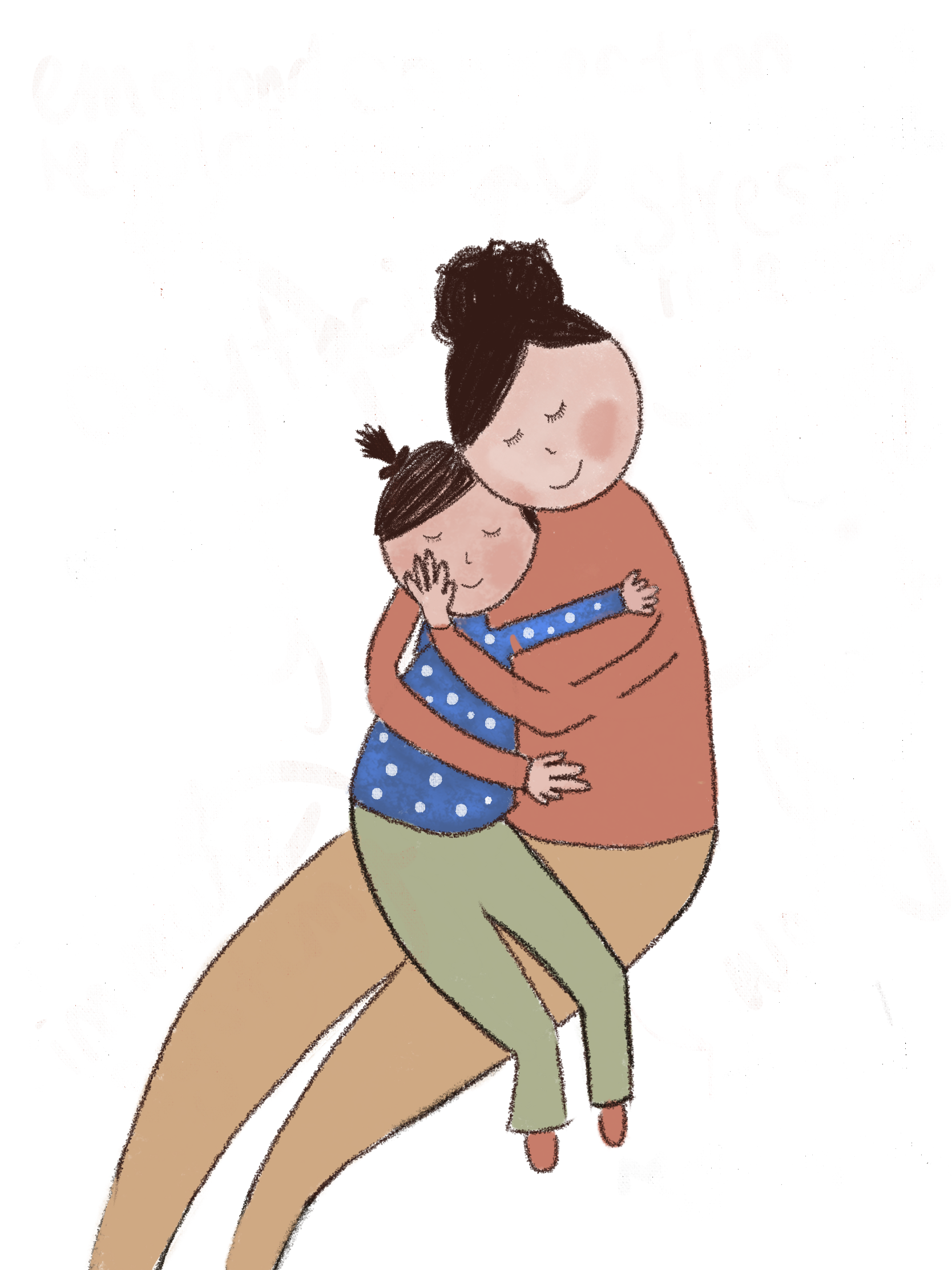
Studies show that the single most common factor in children who develop resilience is at least one stable, committed relationship with a supportive parent, caregiver, or other adult (1). Children need connection to feel secure, first with their caregivers, then with their peers, and with the broader community around them. This bond is built through presence, emotional attunement, and shared experiences. When children feel connected, they develop the confidence to explore the world, knowing they have a safe base to return to.
Play
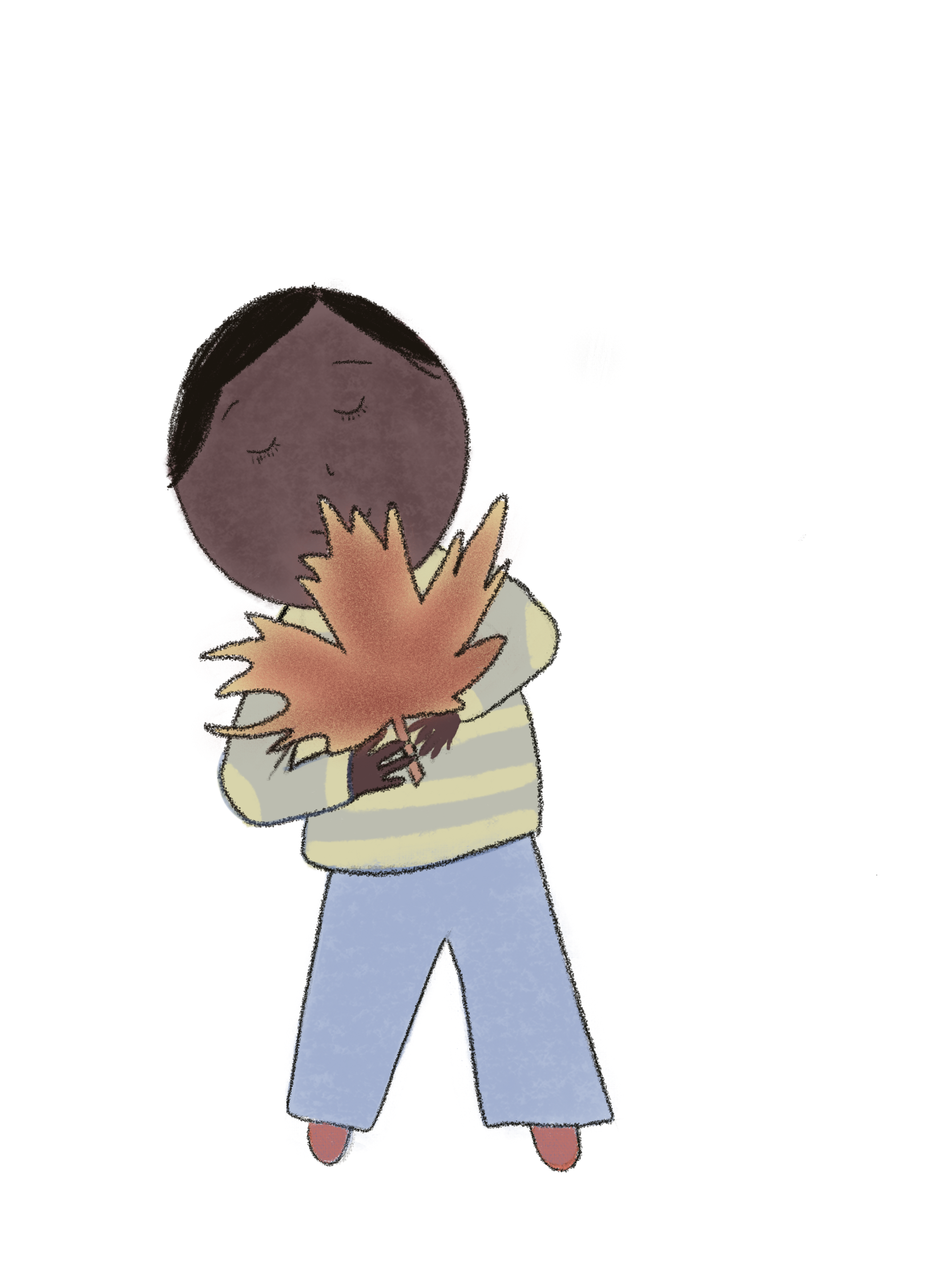
Play is how children make sense of their world and find their place in it. To support resilience, we meet children where they are: in unstructured, child-led play, nature exploration, and imaginative play. Through play, children learn to handle complex emotions, build confidence, and develop problem-solving skills. Play doesn't teach resilience. It gives children opportunities to practice and build it.
Emotional Intelligence
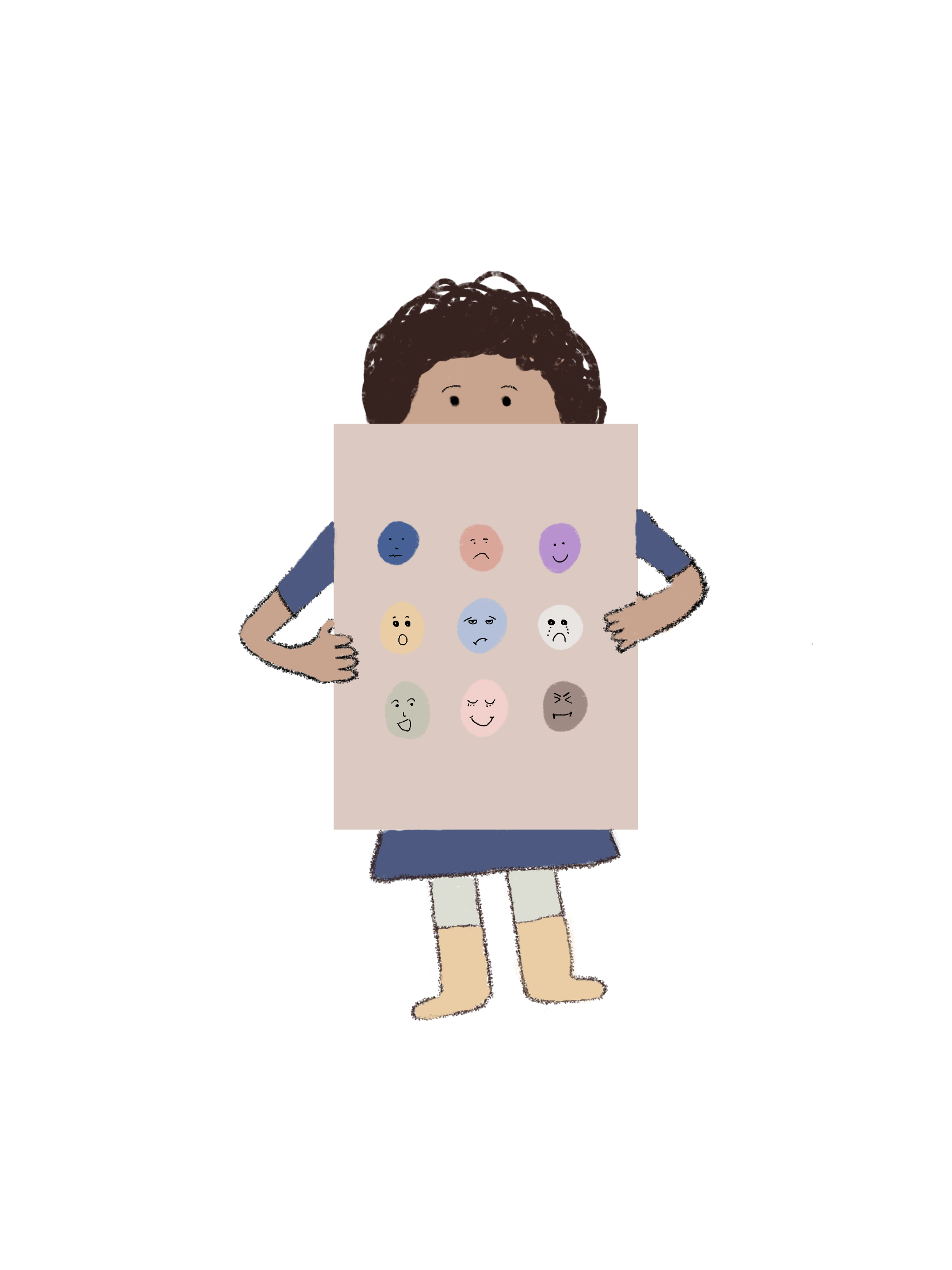
Emotional intelligence is the ability to recognize, understand, and manage emotions in healthy ways. This skill is closely connected to resilience. Studies show that children with higher emotional intelligence are better able to cope with stress and adversity (2). When children can recognize their emotions in stressful moments, they adapt their behaviour and communicate in healthier ways. Understanding emotions builds empathy, which strengthens relationships.
Growth Mindset

A growth mindset is the belief that abilities and talents can be improved over time (3). It teaches children that mistakes are opportunities to learn and gives them the confidence to try again. When children learn to face challenges with this mindset, they become more resilient. Resilience is understanding that your potential isn’t fixed. It’s something you build every day.
Sources: (1) Center on the Developing Child at Harvard University (2024). The Science of Resilience. (2) Rao, G. P., Koneru, A., Nebhineni, N., & Mishra, K. K. (2024). Developing Resilience and Harnessing Emotional Intelligence (3) Psychology Today. Growth Mindset: The Basics.
Overprotecting or Empowering?
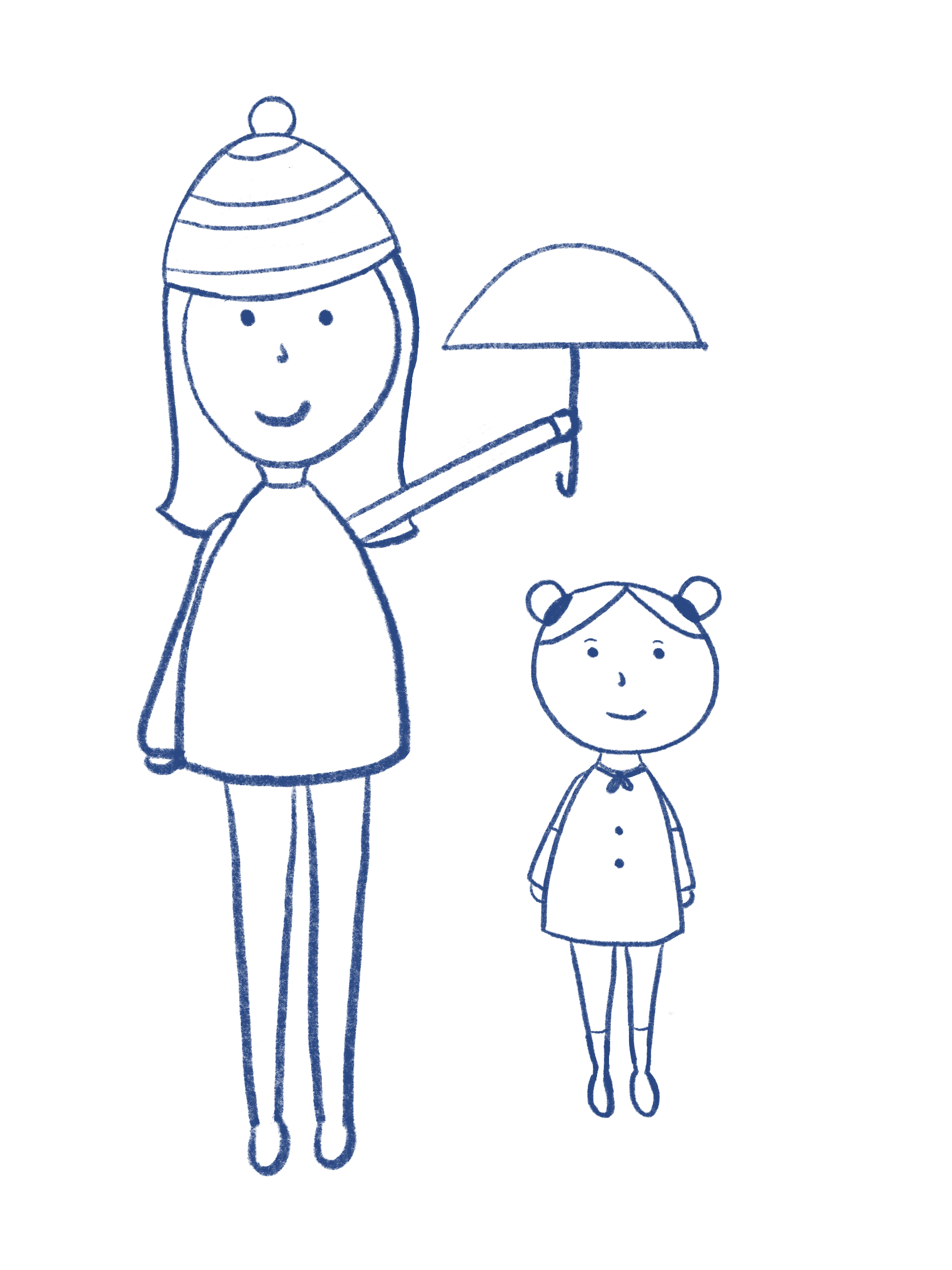
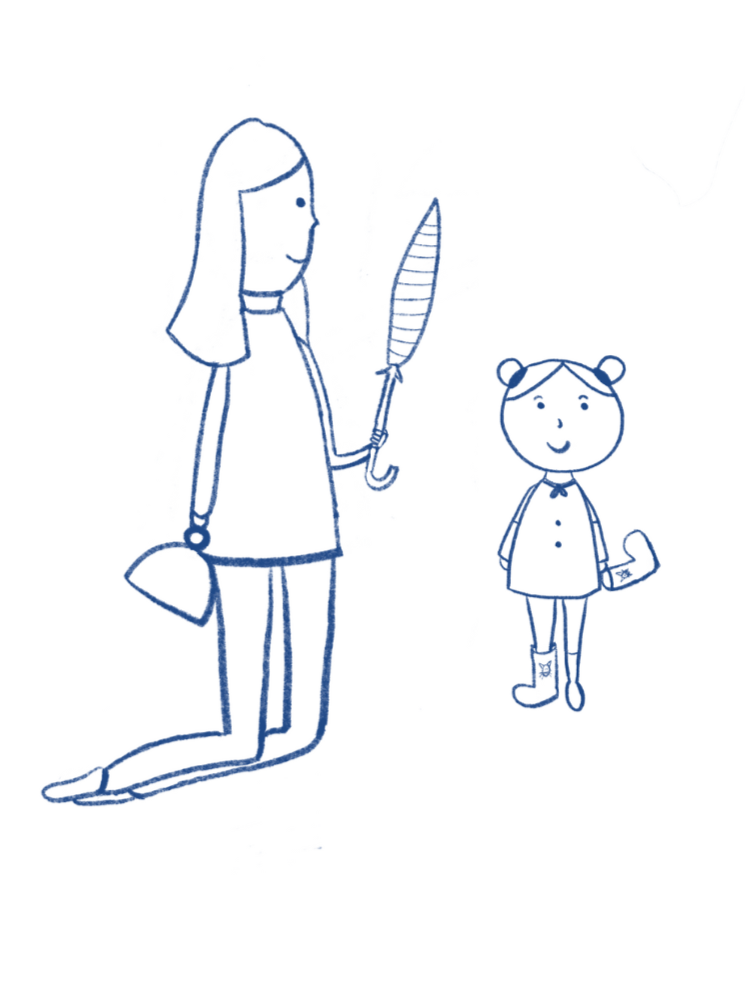
No matter how hard we try, we can’t always be there to shield our children from life’s storms.

There will be moments when they face challenges on their own.
But we can give them the tools they need to navigate whatever comes their way.
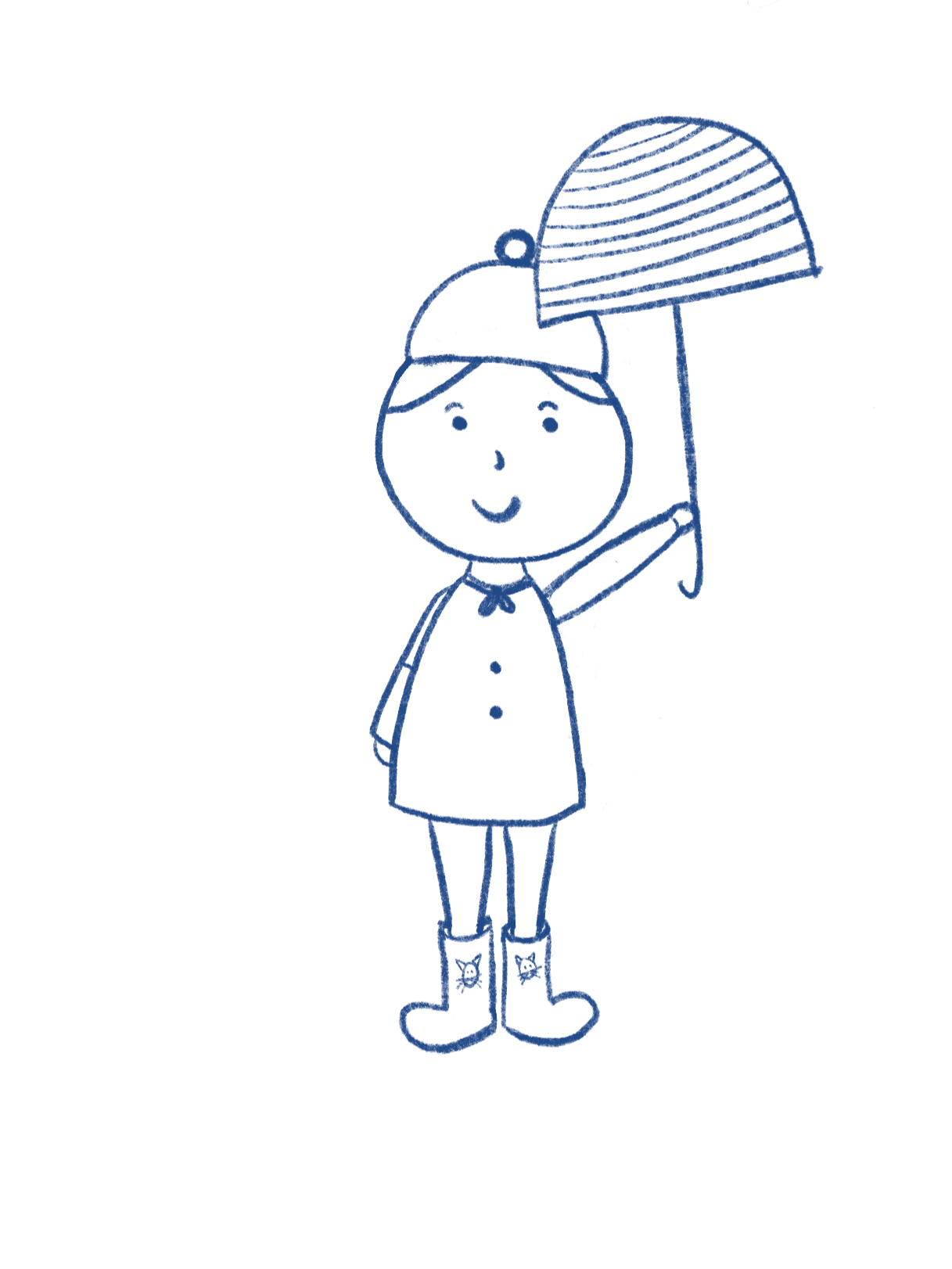
So they can live life fully, through the storms and the sunshine.